
How Credit Scores Effect Mortgage Interest Rates

How your credit score can effect mortgage interest rate

The most influential factor in achieving better mortgage terms is your credit score.  The higher your credit score is, the lower your monthly interest rates will be on your mortgage.

How your credit score will effect mortgage interest rates

In most circumstances a borrower that maintains a higher credit score will  be approved for a lower interest mortgage rate.  Below are a few credit score factors to consider:

  • checkCredit scores of 740 or above  qualify for the best interest rates when applying for your home loan. 
  • check Securing a mortgage with a credit score of 620 or below is nearly impossible
  • checkThe range in which mortgage  rates can fluctuate base on your credit score is up to 1 to 1.5 percent

Aside from achieving a lower mortgage rate, your credit score is also a major influence in getting approved in the first place.  A home buyer that has a FICO credit score of 620 or below is highly unlikely to even be approved.  Bottom line, the more your able to boost your credit score and diversify your credit portfolio the better your odds will be in getting approved for a home purchase loan, as well as securing a lower monthly interest rate.

A consumer credit score of 740 or above will generally qualify for the best mortgage rates, depending on your lender.  Considering lenders across the board, mortgage rates offered to the the highest and lowest credit tiers may vary as much a 1% to 1.5%.

See The Difference

Monthly principal and interest payments on a 30-year fixed-rate mortgage for $200,000

Interest Rate Monthly principal and interest
4% $954.83
5% $1073.64

At the end of your mortgage term, your credit score can provide thousands of dollars in savings.  Check your credit score today for only $1 at Privacy Guard, our go-to source for the most up to date credit report information.

Give  Lenders What Their Looking For

There are four primary credit factors that lenders will look at when determining your eligibility for a home loan approval.

  • checkLow credit usage balances 
  • checkA long-standing history of active credit lines
  • checkRecords of constant “On-Time”  payments 
  • checkCredit application inquiries  
  • checkLow outstanding debt relative to available debt
  • checkA diverse mix of credit utilization

How to prepare your credit for a home purchase

One would be wise to begin their credit preparation process for a home purchase one full year in advance.   Doing so will provide you ample time to correct all errors on your report which, in turn, will boost your score across all three bureaus.

Often times an individual will benefit greatly by utilizing a credit repair companies services for this process.  With a working knowledge of how credit bureaus operate and consumer rights, credit repair services will thoroughly address everything that may hold you back from getting approved or achieving a lower interest rate.

What credit repair services can do

A reputable Credit repair service company can help expedite the process of restoring your credit report to a condition that will work for your individual goals.

Agencies will perform an initial consultation and request to either provide hard copies of your reports or suggest an affordable credit report provider that will generate your latest and most up today report. Once that is done a quality credit repair service will help you in addressing and disputing all negative marks that are eligible to be removed, or correct any miss representations of your personal information.  In addition to this, they should consult with you on how to effectively build and diversify your credit portfolio through the application of qualifying primary credit lines. With open lines of communication, a credit repair company can be an invaluable asset when preparing for home ownership.

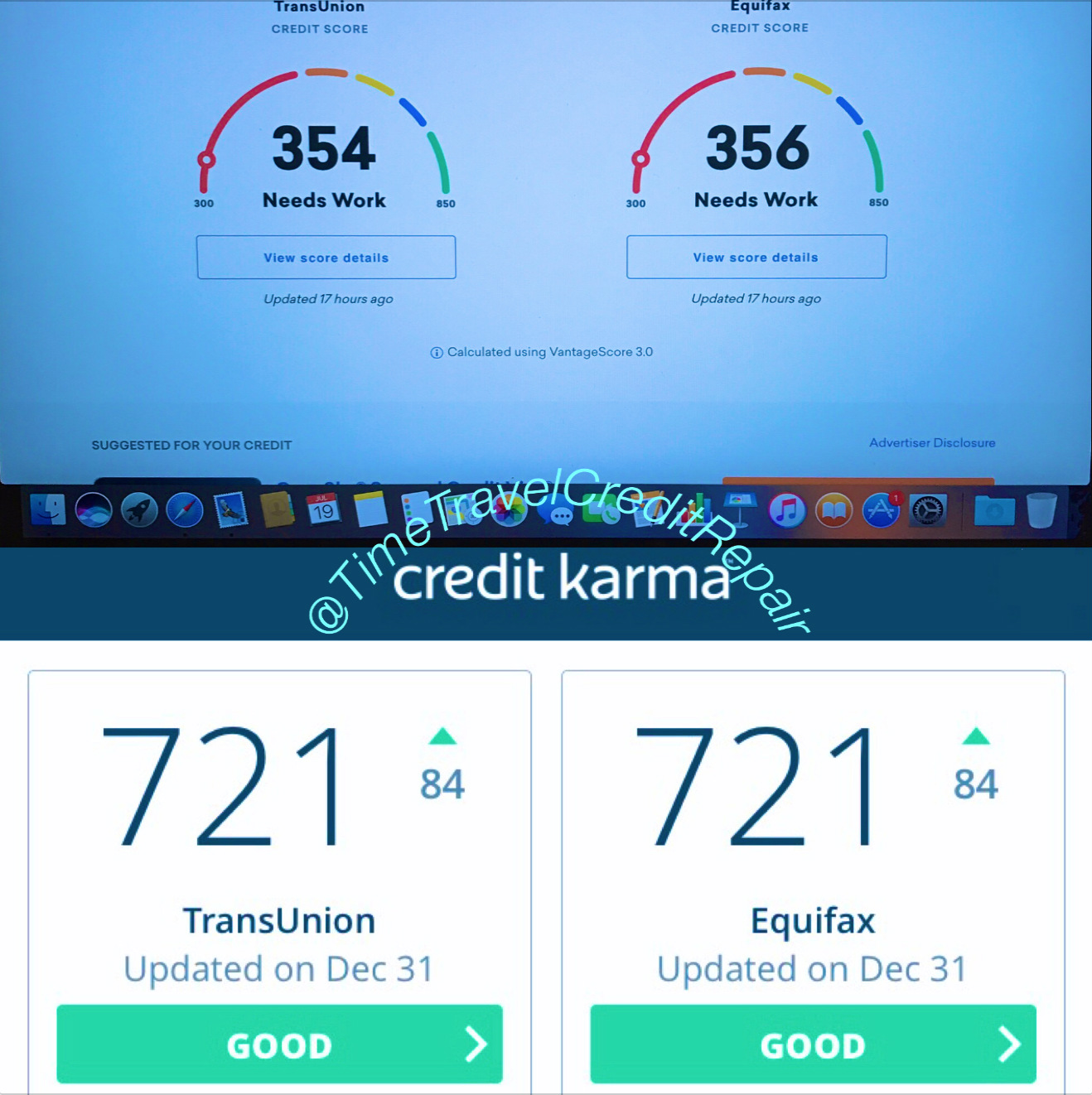
Ways to Improve Your Credit Score

Credit Diversification | What Is It & How You Benefit?

What Is Credit Diversification

Credit diversification is at the core of your “credit worthiness”, which should not be confused with your credit score.  I say this because you can often have a high credit worthiness, but not have the highest of scores.

When discussing credit diversification it’s important to know the 4 different lines of credit you can acquire. In order of most important to least, each of the following lines of credit offer different levels of authority when evaluating your overall credit worthiness.

Secured Installments Loans

  1. Home Mortgage
  2. Auto Loan
  3. Furniture Purchases

Unsecured/Revolving Lines Of Credit

  1. Standard CC Cards/Bank Cards (Capital Ones/Chase/Citi Bank)
    • Not to be confused with a Credit/Debit Check Card
  2. Store Charge Cards

Unsecured Installment Loans

  1. Student Loan
  2. Personal Loan of $2000 or more

Secure Lines Of Credit

  1. Credit Cards that have an asset (cash-money) backing up the allowed balance.

It should be your goal to build a portfolio of all four of these credit lines.  If your not able to jump straight to the top, that is ok.  Remember that this is a building process.

For some, a secured line of credit is a great way to start.  While others may be eligible for or have revolving credit lines or unsecured installment loans already.

If it’s the latter, then it’s important to know there are methods on how to better leverage these lines to your benefit, and even receive larger limits of credit on such accounts. (We will cover that on in another post)

Often times your credit repair specialist will have access to resources that will help you in acquiring both lines of secured and unsecured credit.  Just ask them.

Misconceptions of Credit Diversity

A big misconception that people have is that to many lines of open credit is a bad thing.  However this can not be any more un-true.

Reason being, lenders like to see that you are responsible enough to manage multiple accounts.

This is why, if your score isn’t necessarily a +700, but you have for example, 8 open lines of credit that are in good standing and your debt to utilization is below 20%, you are much more attractive when it comes to lending purposes.

Another misconception is closing old accounts for fear of having to many open.  It’s important to not close any old credit cards that have zero balances before you are about to apply for a loan or new line of credit.  The reason for this is that those cards have reporting history, and if they have a zero balance they aren’t hurting anything anyway.

Maintaining longer terms of good reporting history on such cards is in your favor, and in most cases you would not want to close any cards prior to applying for new lines of credit.

The Benefits Of Diversity

The benefits of having a more diversified credit portfolio are relatively cut and dry.  The larger the limits and the more lines of credit that you maintain the better you look in the lenders eyes. Which means the more likely you are to be approved, as well as receive higher limits and lower interest rates.

As we previously covered, lenders prefer someone with more credit lines that are in good standing when compared to someone with fewer credit lines that are in good standing.  The more you have, means the more you have to manage, which in turn signifies higher levels responsibility and worthiness.

The key is to have good payment history (no late payments) and to maintain a credit-to-debt ratio of below 20%.  So long as you practice these habits  you will benefit for having a diverse portfolio of credit lines.

How To Achieve It

Oftentimes financial experts at credit repair agencies will be able to get you started with both unsecured, secured, or primary lines of credit.  We recommend you ask them what they offer and how they can help you achieve your long term financial goals.

When you are applying for these new lines of credit it would be wise to consult with financial expert on methods you could use to achieve faster growth and increased better credit worthiness.

For example, when the card company request your total annual income. Did you know this value can be derived by your total household income.   It’s also important to report your employment in a consistent way.  Creditors don’t like lending to people who are job jumpers.

As a rule of thumb for the inexperienced, it would be in your best interest to consult with your financial expert prior to application or when requesting an increase in card limits.

Conclusion

Hopefully we were able to shed some light on credit diversification, its importance and how it can be achieved.  For long term financial success you should make your credit work for you and diversification is one of the most important steps to doing this.

Always remember, no credit is bad credit.

10 Tips To Pay Down Debt

Bankruptcy Prevention and Credit Repair

Do you feel like you have debt up to your eyes and there is no seeing your way around it?  You’re not alone.  According to the 2016 NerdWallet analysis, it’s a fact that on average the common U.S. household is in nearly $17,000 of credit debt.

If you’re looking for some ways to cut down on cost and see your way through debt, Time Travel has 10 tip that may help.

Tip #1 Create A Budget

One of the first steps and possibly the hardest is to create a budget for your spending.  While there are several different personal financial tools out there that will help you with this, (Mint.com) oftentimes a simple Excel spreadsheet that maps out your monthly expenses will do the trick.

Be sure to categorize and list every one of your expenses; this includes both luxury and necessity based items.  Once you have a clear vision of your debt landscape, you will have to then scrutinize them.  Eliminating all that are unnecessary, or any that you can live without.

If you continue to spend as you do and don’t have the surplus income to justify it,  you will never get out of debt.  Cutting the expenses is must for debt relief.

Tip #2 Prioritize Your Payments

Not all debt has the same value.  Some is more expensive than others; credit cards often have varying rates and balances.  Pay more on the card that is accruing the largest amount in monthly interest.

This will generally be the one with the highest balance.  While doing this you should continue to pay the minimum amount on all the others.  NEVER stop paying, that will only make your credit score drop.

By prioritizing your  payments in this order you will  effectively eliminate a more detrimental portion of your overall debt first.  Helping you become debt free faster.

Tip #3Pay More Than The Minimum

Because  the a large portion of your monthly payment is going towards interest, when possible pay more than your minimum balance due.  By paying more than your minimum, you will end up paying far less in interest long term.

If your payment is $100, find a way to pay $150, $175, or $200.  You will be surprised at how much faster you can free yourself from overwhelming debt.

Tip #4Credit Line Balance Transfers

Believe it or not, applying for and receiving more credit in a time of financial hardship can actually be a great strategy.   Depending on your current credit condition and level of debt you are facing, you may be able to receive a new credit card with a  0% credit line.

Many card companies offer 0% balance transfers, all the way up to 24 months.  If you’re able to transfer some of your high percent credit card debt to a lower interest card this will again enable you to better pay down the principle balance.  It may help you avoid paying 100’s of dollars in long term interest.

Tip #5Stop Charge Your Cards 

If you’re already in trouble with debt, spending more on the cards is simply fueling the fire.

We recommend removing all the credit cards from your wallet.  It’s just too easy to swipe that card for gas, lunch, or an evening out, even for the most discipline individuals.

By removing the availability of using your credit you are proactively protecting yourself from accruing more high interest debt.  I don’t care if you are earning points and travel miles.  They will have to be put on hold.  =)

Tips #6  Put Bonuses Toward Your Balances

 If you have accrued cash back from purchases, use it to pay down your debt.  If you receive bonuses from your workplace, use it to pay a portion of your debt, rather than spending it on some luxury based purchase.

We didn’t say this would be easy.  Getting out of debt takes sacrifice, you may have to give up something to get free.

Tip #7Exercise Self Control

 If you’re a compulsive shopper and have a lot of online accounts you should remove all card information from them.  In today’s digital age, shopping on the web is extremely easy and can often lead to uncontrolled spending.

Protect yourself from the ease of spending online and make your next purchase more difficult than just a few short clicks away.  If you require yourself to physically fetch your credit card in order to make payment, you are given a second chance to reconsider your purchase.

Lets not forget the big picture, financial freedom is of greater value than your next designer handbag or tool kit. Stay focused!

Tip #8  Clean Out The Closets

The old saying “One man’s garbage is another man’s treasure” rings true here.  Often times people who are experiencing debt are surrounded by the materials that got them in such a predicament.

Look around your house.  Collect all items that you may have purchased or received in the past and simply don’t use.  Put a price on them and place them up for sale.  It’s time to clean out the closets and get rid off everything that can be converted into cash.

Ebay, or your local listing site are great ways to quickly sell these items.  Any profits from the sales will be put toward paying off your debt.

Tip #9  Change Daily Spending Habits

Changing your daily habits will can greatly decrease the rate at which your debt increases.

Often times its daily expenditures that are the real pain in the neck to your debt based burdens.  Before you go an spend 6 dollars on your daily latte or eat out for lunch instead of packing a sandwich, think about your debt relief goals.

These expenses while small, will add up fast.  Making the sacrifice to not spend money or charge credits cards for luxury based items is a habit that will take you to the top.

Tip #10Be Rewarded

Reward yourself for good behavior.  Set debt milestones and once you meet those goals treat yourself to something nice.

Remember to control budget before you do this though.  Instead of going on a shopping spree buy a single top instead.  Or instead of taking that next flight to Vegas, plan a weekend camping trip.

Never lose focus.  While  it’s important to reward yourself for your dedication and achievements, it can often be easy to slip back into your old habits.